MAGI-2 product ads and UGC-style videos need more than an attractive prompt. They need a truthful message, authorized product and presenter materials, and a review process that catches changes to packaging, speech and visible product behavior. Start with what you can substantiate, not with a promise that synthetic footage will convert viewers into customers.
This is a planning workflow, not a tested campaign case study. No example video was generated, no advertiser results were measured, and no platform approval is implied.
What MAGI-2 product ads and UGC-style videos can represent
UGC-style describes a presentation style: a conversational speaker, informal framing or a simple demonstration that resembles creator-made content. A synthetic person using that style is not automatically a real customer, and a generated scene is not evidence that someone actually tried the product.
Keep that distinction visible in the script and the production record. A fictional presenter can describe a supported product feature. It should not invent a personal story about using the product for weeks, attribute an endorsement to a real person or imply independently verified results that do not exist.
In the US context, the FTC's Disclosures 101 for Social Media Influencers says endorsers cannot describe experience with a product they have not tried or invent claims requiring proof the advertiser lacks. This staff guide is relevant to truthful endorsements, not a blanket legal opinion about every synthetic-ad format or jurisdiction.
Why the claim sheet should come before the storyboard
A model can depict a demonstration that looks plausible without establishing that the real product performs that way. If a generated bottle appears leakproof or a fictional cleaner removes a stain instantly, the image itself can imply a product claim.
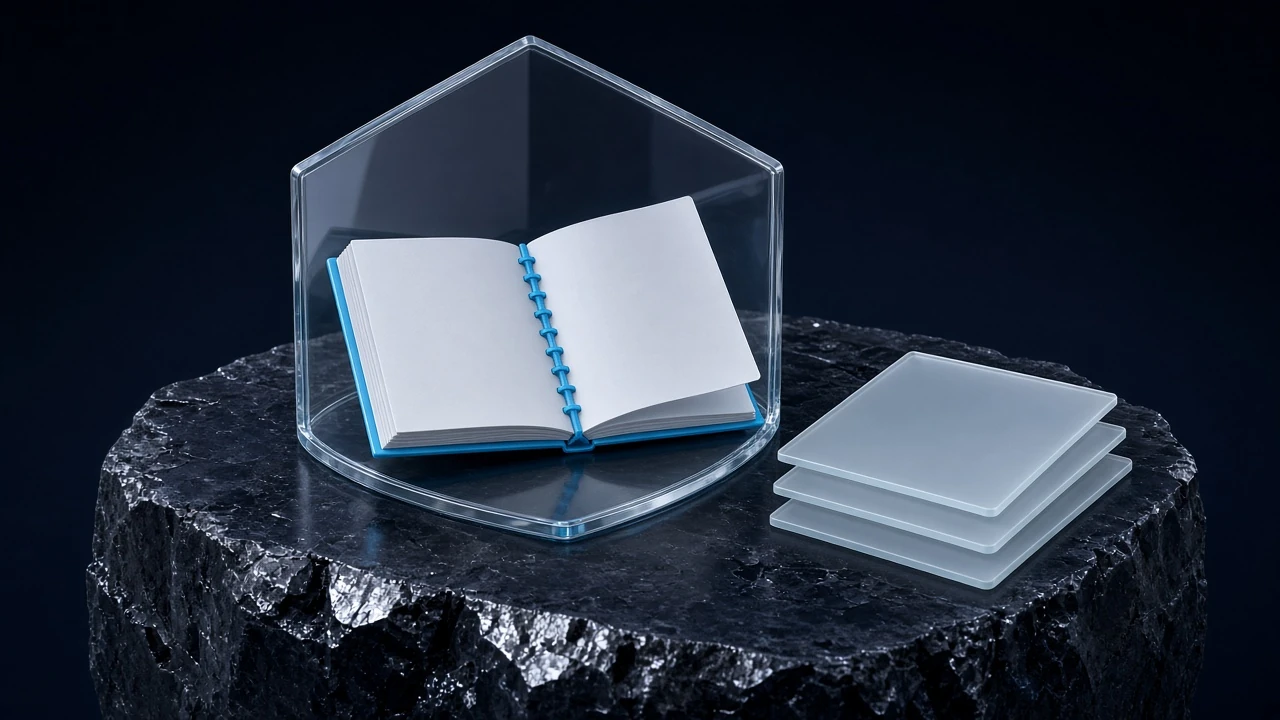
Prepare a claim sheet before writing the scene. Identify the feature, the supporting evidence and what the video must not suggest. For example, an authorized notebook demonstration might show a cover opening and pages turning. It should not invent water resistance, durability testing or a customer's long-term experience.
Separate the creative objective from the acceptance criteria. “Make a calm desk demonstration” is an objective. “The cover color, binding and number of visible components must match the approved product reference” is something a reviewer can inspect. Neither statement guarantees that generation will preserve the product accurately.
How to prepare the assets and presenter
Confirm permissions for every input
Use product photographs you own or are licensed to transform. Check rights in packaging designs, marks, locations, music, footage and recordings rather than assuming that a file found online is available for advertising.
For a recognizable presenter, obtain the appropriate permissions for likeness and any voice material. Do not assume that consent to appear in an original recording covers a new synthetic performance. A fictional presenter avoids falsely attributing an endorsement to a particular person, but it does not remove the need to review misleading implications in the message.
magi-2.online is an independent third-party studio, not Sand.ai's official service. Review its terms of service before submitting project materials; this article does not verify an account workflow or transfer responsibility for asset permissions to the studio.
Make an asset manifest with narrow roles
Choose the minimum set needed to communicate the product, presenter and action. NanoAPI's Reference to Video documentation supports reference images, videos and audio, with category and duration limits. Its role-based approach is useful for preparation: say which file supplies appearance and which supplies motion, instead of expecting the system to infer everything from a mixed collection.
A manifest might identify an approved product photograph, an authorized presenter image and a short demonstration-motion clip. Record what should not carry over from the motion clip, such as another brand's product or a different background.
NanoAPI's reference syntax numbers images, videos and audio independently as @Image1, @Video1 and @Audio1 in their respective input order. Those are provider conventions, not proof of a specific website upload panel. Recheck the wording if the file order changes, and use only the input combinations the actual interface supports.
Write speech as information, not fabricated testimony
Keep the line close to the approved claim sheet. “Here is the notebook's fold-out page” is different from “This notebook doubled my productivity.” The second introduces a performance claim and a personal experience that a fictional demonstration does not prove.
Use a modest line that can be reviewed word by word. If exact wording is important, reject substitutions that change meaning. A pleasant voice does not excuse a false or unsupported statement.
Example product scene, not generated or tested
Example, not generated/tested. This hypothetical 12-second planning brief concerns a fictional, unbranded notebook. No assets were uploaded and no output was evaluated.
| Phase | Visual intention | Message boundary |
|---|---|---|
| Opening | A fictional presenter holds a closed notebook | No claim of personal ownership or prior use |
| Demonstration | The presenter opens the cover and unfolds one page | Show only the approved physical feature |
| Ending | Hold the open notebook in view | No invented rating, customer quote or performance result |
Example prompt, not generated/tested:
> In a bright, simple workspace, a fictional presenter holds the unbranded notebook shown in the authorized product reference. Keep a stable medium view that includes the face and both hands. The presenter says, “Here is the fold-out page,” then opens the cover and gently unfolds that page. Keep the notebook's shape, binding and color consistent with the reference. Include clear speech, a soft paper rustle and quiet room ambience. No music, no extra spoken claims and no generated on-screen text.
The plan requests an observable action, not proof of product quality. A reviewer would still need to confirm that the real product has the illustrated feature and that the generated mechanism does not misrepresent how it works.
Do not ask generation to supply legally important disclosures, exact packaging copy or a final call-to-action graphic as your only copy-control method. Prepare and inspect necessary text in a separate post-production workflow. This recommendation does not claim a built-in caption editor or graphics tool exists in the studio.
Check the product before judging the overall look

Sand.ai's MAGI-2 announcement documents joint dialogue, foley, ambience and music and acknowledges remaining motion and soundscape limitations. Its 1080p pipeline includes latent upscaling. These capabilities do not establish accurate packaging text, mechanically correct product behavior or perfect lip-sync.
Review the finished material against the approved product reference:
- Geometry: Does the shape, closure or binding change during movement?
- Brand details: Are names, marks and colors correct, without invented labels?
- Function: Does the demonstration show a real feature rather than a fictional mechanism?
- Interaction: Do hands maintain plausible contact, without passing through the product?
- Speech: Are the actual words faithful to the approved message?
- Implication: Could the scene be mistaken for a real customer experience or an unperformed test?
Inspect the beginning, middle and end, then watch normally for distracting changes. If a label is unreadable or a feature cannot be verified, do not infer correctness from an attractive overall impression. Use a safer shot, an authorized real product insert or another production method where necessary.
Plan placement and disclosure separately
For a specific advertising example, TikTok's Auction In-Feed Ads specification recommends 9:16 for Non-Spark vertical ads and also lists horizontal 16:9 and square 1:1. Its safe zone depends on dimensions, captions and additional formats. This is a placement-specific rule, not a statement that all TikTok content requires one shape or that a generated clip is automatically ad-ready.
Leave room for approved text and disclosure in the final layout, then check the destination's current preview. Important product features can be hidden by interface overlays even when the file's ratio is accepted.
Synthetic-media disclosure and commercial-relationship disclosure answer different questions. YouTube's GenAI disclosure policy requires disclosure for realistic generated or meaningfully altered material, including realistic scenes that did not occur or making a real person appear to do something they did not. That platform label is not a substitute for truthful advertising or rights clearance.
The FTC guide separately recommends making material brand relationships clear and placing video-endorsement disclosures in the video, not only in the description. Apply the relevant rules to the actual production and audience. Neither an AI label nor an ad label makes a fabricated testimonial acceptable.
Build an approval record, not a conversion promise
Save the approved claim sheet, asset permissions, prompt, model/platform identity and review notes. Distinguish planned actions from observed results. If the presenter appears to say a different line or the product changes shape, record the failure rather than explaining it away as creative interpretation.
A successful internal visual review does not prove campaign performance. Conversion, audience trust and platform acceptance depend on factors this workflow has not measured. Evaluate those separately through an appropriately authorized campaign process rather than attributing an invented uplift to the model.
FAQ
Can a generated presenter be called a satisfied customer?
Not merely because the scene looks like a customer video. Do not fabricate experience, endorsement or identity. Use a clearly synthetic presentation and a truthful, supportable message.
Does native audio make every spoken claim accurate?
No. Review the actual transcript, speaker attribution and meaning. Joint generation is not factual verification or guaranteed lip-sync.
Is a watermark-free file commercially cleared?
No. File appearance does not establish permissions for music, likenesses, brands, footage or product claims.
Can I rely on generated text for disclosures?
Do not make it your only copy-control method. Add and inspect required wording through an appropriate post-production process and follow the destination's current disclosure requirements.
Does this workflow guarantee better conversions?
No. It provides a preparation and review framework, not a tested advertising result. Its first objective is an authorized, accurate and honestly presented creative asset.
Sources & References
- TikTok Business Help Center — In-Feed Video Ad Specifications
- NanoAPI — MAGI-2.0 Model Overview & Specifications
- NanoAPI — MAGI-2.0 Reference-to-Video (20-Asset) Guide
- Sand.ai — Official MAGI-2 Flagship Announcement
- U.S. Federal Trade Commission (FTC) — Disclosures 101 for Social Media Influencers (PDF)
- YouTube Help — Disclosing Altered or Synthetic Content
- MAGI-2 Online Studio — Independent Web Workspace
- MAGI-2 Official YouTube Channel (@magi2online)